The Illusion of Control
The psychology of gambling often hinges on the illusion of control. Many players believe that their skill or strategy can significantly influence the outcome of a game, especially in games like poker or blackjack. This belief can lead to better emotional management and decision-making, as players feel empowered by their choices. However, the reality is that in games of chance, such as slots or roulette, luck plays a far more significant role than any strategy can affect. For those looking for a reliable outlet for gambling, the best bitcoin casino often provides an excellent way to experience thrilling games in a secure environment.
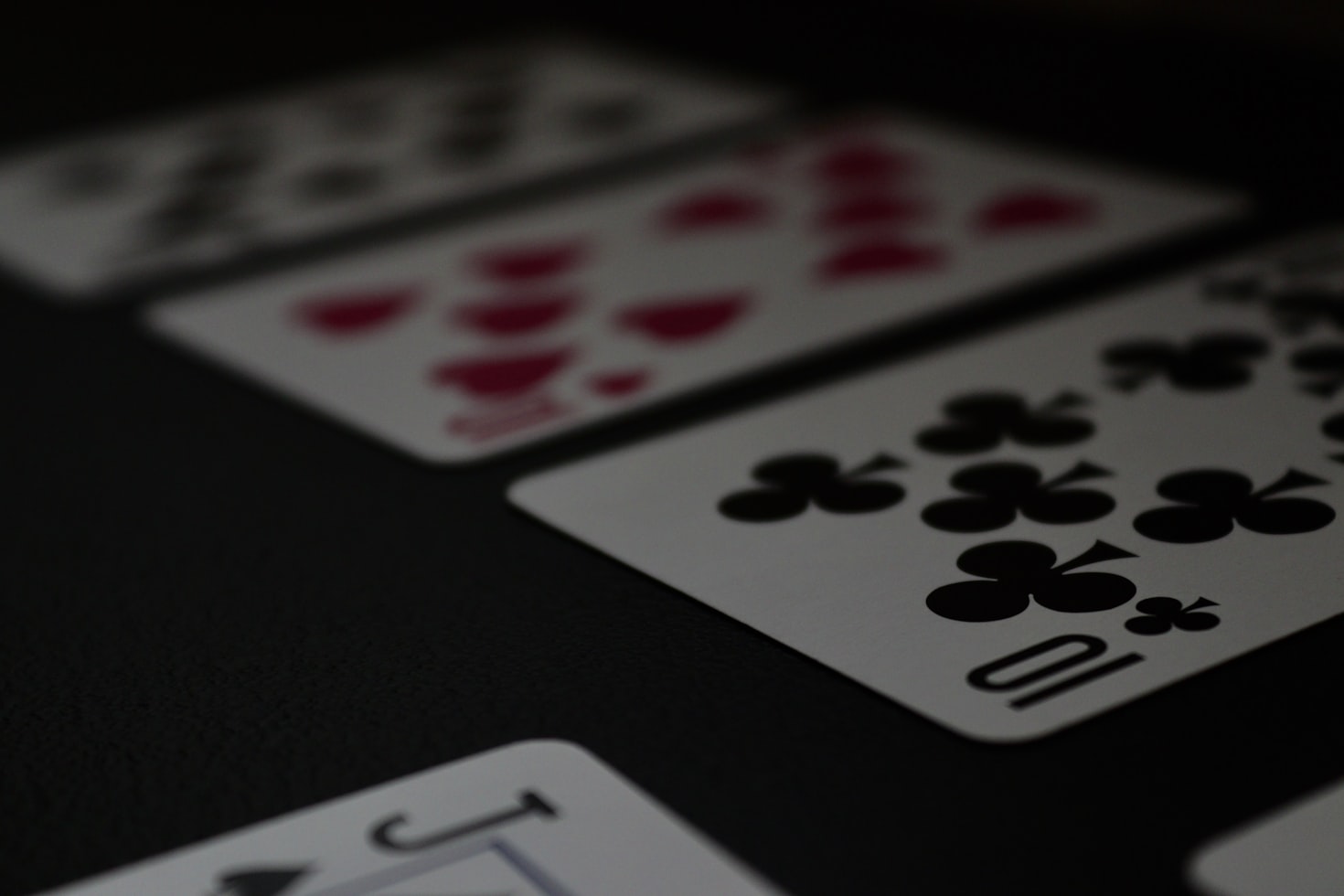
This misconception can be both beneficial and detrimental. On one hand, the belief in control can enhance the player’s experience, making them more engaged and willing to participate. On the other hand, it can lead to detrimental behaviors, such as chasing losses or developing risky betting patterns, ultimately undermining their chances of winning.
The Role of Cognitive Biases
Cognitive biases are mental shortcuts that can impact decision-making. In a casino setting, biases such as the gambler’s fallacy and confirmation bias can heavily influence players’ actions. The gambler’s fallacy, for instance, is the belief that past outcomes can affect future results, leading players to make poor betting decisions based on previous spins or deals.
Confirmation bias can also play a significant role; players often remember their wins but conveniently forget their losses. This selective memory reinforces the notion that they are on a winning streak, which can lead to increased bets and greater risks. Understanding these biases is crucial for players who wish to develop strategies that are more aligned with reality rather than distorted perceptions.
Emotional Factors in Gambling
Emotions significantly affect gambling behaviors and strategies. Players often experience heightened emotions during gameplay, which can cloud their judgment. For instance, excitement can lead to impulsive betting, while frustration may cause a player to continue gambling to recover losses, even when it’s not in their best interest.
Awareness of these emotional triggers can help players develop better strategies. By practicing self-control and recognizing when emotions are dictating decisions, gamblers can create a more measured approach to their gaming, balancing enjoyment with strategic thinking.
Casino Design and Player Psychology
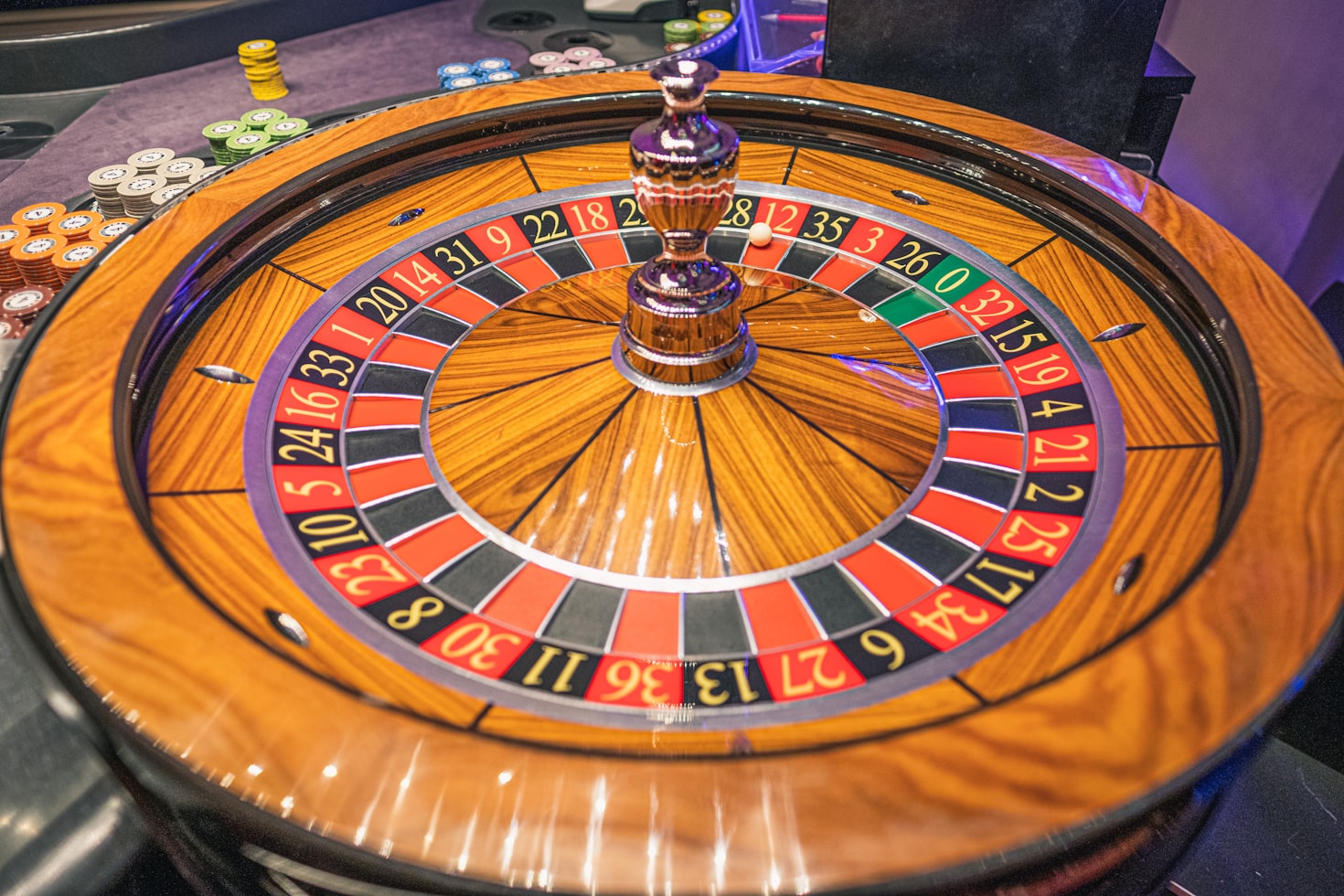
Casinos are meticulously designed to enhance the gaming experience and maximize player engagement. Elements such as lighting, sound, and layout are strategically used to create an environment that fosters excitement and prolongs playtime. For example, bright lights and ringing sounds can trigger feelings of happiness and anticipation, often leading players to stay longer and gamble more.
The layout of a casino promotes exploration and continuous play, diminishing players’ awareness of time and money spent. Recognizing these psychological tactics can empower gamblers to be more mindful of their behavior and make more informed choices while gaming.
Website Security and Player Safety
In the world of online gambling, security plays a pivotal role in creating a safe playing environment. The website offers advanced protective measures, such as those provided by Cloudflare, to safeguard against potential cyber threats. Players can rest assured that their personal information and financial transactions are protected.
In case users encounter access restrictions, the website also provides clear guidance on how to resolve such issues, ensuring that players can enjoy a seamless and secure gaming experience. By prioritizing player safety and security, the platform fosters a trustworthy environment in which gamers can explore strategies and enhance their casino experience without concern.